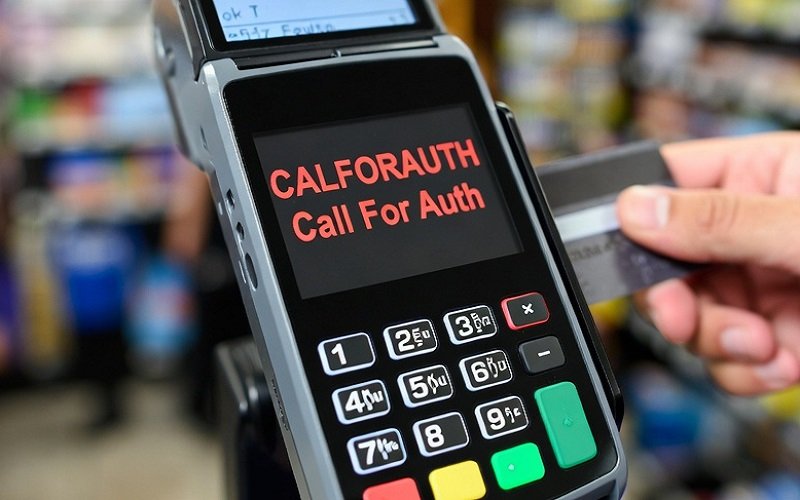

Small retailers lose more than just time when payment terminals flash CALFORAUTH. Every delayed or failed transaction costs money, frustrates customers, and adds stress for staff. Unlike big chains, independent stores often lack dedicated IT support or advanced monitoring tools. That makes understanding and reducing these errors especially important.
CALFORAUTH (Call for Authorization) appears when a card issuer wants extra verification. It sits between a smooth approval and a hard decline. The good news is that many of these interruptions can be reduced with practical changes that do not require expensive new systems.
This guide focuses on what small retailers can actually control. It explains why authorization rates drop, shares proven steps to improve them, and shows how better processes protect both sales and customer trust.
Why Authorization Rates Matter More Than You Think
Authorization rate is the percentage of card attempts that get approved on the first try. Industry benchmarks for card-present retail often sit between 95% and 99%. When rates fall, the difference shows up quickly in daily sales.
Soft declines such as CALFORAUTH make up a noticeable share of failed attempts. Banks trigger them for security reasons—unusual spending, locked cards, location changes, or temporary holds. For a small store processing dozens of transactions per hour, even a few extra flags add up.
One independent convenience store tracked its errors for two weeks and found that nearly one in five card issues involved some form of authorization request. After simple process changes, that number dropped noticeably.
Common Reasons Small Stores See More CALFORAUTH
Several factors hit smaller retailers harder:
- Older terminals with outdated software
- Unstable internet connections during peak hours
- Staff who are unsure how to respond quickly
- Limited visibility into decline patterns
- Higher mix of debit cards that banks monitor more closely
These issues create a cycle. Slow responses increase customer frustration, which can lead to abandoned purchases.
Practical Steps That Improve Authorization Rates
Focus on actions that deliver results without large budgets.
Keep terminals and connections reliable Restart devices at the start of each shift. Clean chip readers regularly. Test Wi-Fi or Ethernet during busy periods. Many CALFORAUTH cases appear when the terminal loses connection mid-authorization and the bank never receives a clean request.
Train staff on fast, consistent responses Create a short checklist. First retry with tap or credit. Then ask the customer to check their banking app for locks. Only then move to a manual call if needed. Consistent handling reduces both errors and customer tension.
Monitor patterns weekly Look at which times of day, which card brands, or which transaction sizes trigger the most flags. Share the findings in short team meetings. Patterns often reveal simple fixes such as better signal strength near certain registers.
Offer clear alternatives without pressure When a card hits CALFORAUTH, calmly suggest another card, cash, or splitting the total. This keeps the sale while the original issue is resolved.
Work with your payment processor Ask for a review of your authorization rates and common response codes. Some processors can adjust settings or provide better reporting tools at little or no extra cost.
How Better Processes Affect Daily Operations
Stores that treat CALFORAUTH as a process issue rather than random bad luck see clearer benefits. Lines move faster. Staff feel more confident. Customers notice the smoother experience and return more often.
A neighborhood grocery reduced related interruptions by focusing on terminal maintenance and staff scripts. Authorization rates improved, and the owner reported fewer end-of-day complaints about slow checkouts.
Measuring Progress Without Complicated Tools
You do not need advanced analytics software. Start simple:
- Count the number of CALFORAUTH appearances each day for one week.
- Note how many resolved with a quick retry or app unlock.
- Track the number of sales recovered versus abandoned.
- Review the same numbers after 30 days of new habits.
Small improvements compound. Even a 10–15% reduction in recoverable errors can protect meaningful revenue over a month.
Long-Term Habits That Protect Your Store
Authorization rates stay healthier when prevention becomes routine.
- Update terminal software promptly.
- Keep a backup internet option ready.
- Refresh staff training every few months.
- Document unusual spikes and discuss them with your processor.
These habits also reduce the risk of chargebacks that sometimes follow forced or incomplete authorizations.
Conclusion
CALFORAUTH does not have to remain a constant drain on small retail operations. By focusing on reliable equipment, consistent staff responses, pattern tracking, and processor support, independent stores can raise authorization rates and recover more sales.
The steps are practical. They cost little. And they deliver results that show up in both the register totals and the customer experience.
Start with one change this week—cleaner readers, a short staff checklist, or a simple daily count of the error. Build from there. Over time the difference becomes clear.
What changes have helped your store handle payment interruptions more smoothly? Share your experience in the comments so other small retailers can learn from it. For related guides on terminal errors and cashier communication, explore the other articles on this site.